
New Year’s celebrations are moments filled with emotion, hope, and, above all, traditions passed down from generation to generation. In Ecuador and throughout Latin America, December 31st is not only a day to bid farewell to the old year but also a time to honor the customs that mark the end of one cycle and the beginning of another. Each country has its own unique rituals, but all share a deep connection to renewal, purification, and well-wishes for the future. In this blog, we will explore some of the most significant New Year’s traditions in Ecuador and Latin America that enrich the celebrations, adding a touch of culture, magic, and hope.

In Ecuador, the burning of the old year is one of the most emblematic traditions for welcoming the new year. Figures made of cardboard, wood, and other materials, representing the memories and struggles of the past year, are burned at midnight. This act symbolizes the elimination of negative energies and problems from the past, making way for a new cycle filled with hope and optimism. As fireworks light up the sky and music fills the streets, families and communities gather to burn these effigies, bidding farewell to the past and embracing the future.
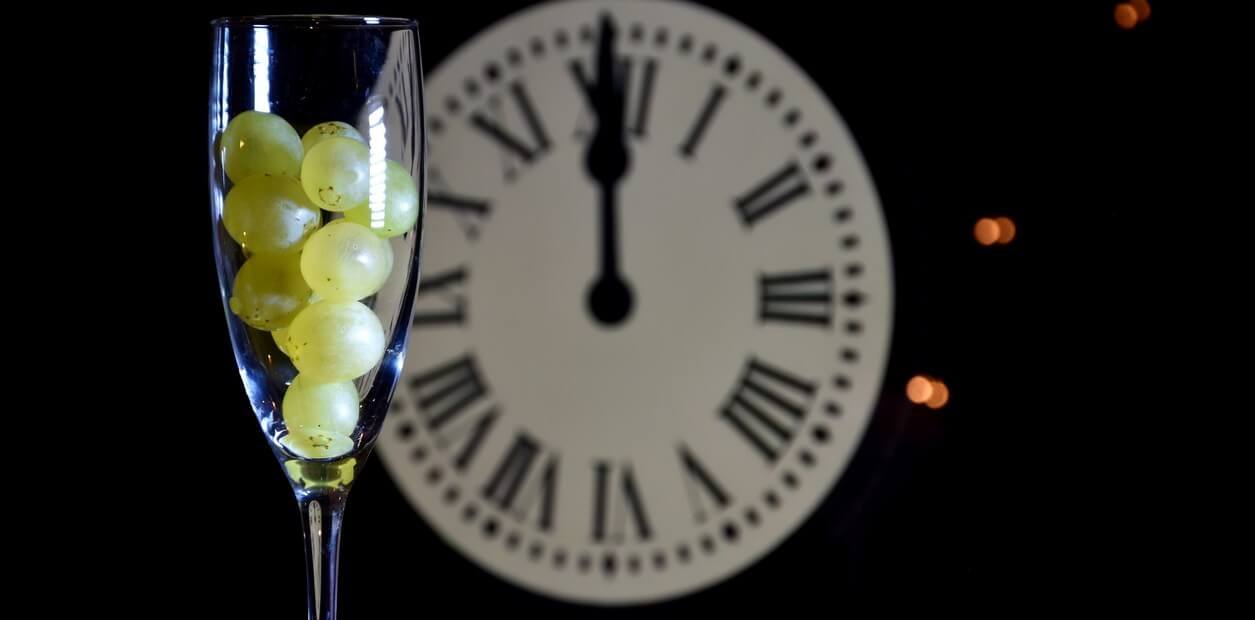
In countries like Ecuador, Mexico, and Spain, the custom of eating 12 grapes at midnight is a central tradition. Each grape represents a wish or goal for each of the 12 months of the upcoming year. This tradition is a fun and hopeful way to wish for prosperity, love, and happiness in the new year. As the clock strikes twelve, people make a wish for each month, and itu2019s believed that these wishes will come true if the grapes are eaten on time.
In various coastal regions of Latin America, especially in Ecuador, the New Year’s bath in the sea is a popular tradition. It is believed that immersing oneself in the oceanu2019s waters during the first hours of January 1st purifies both the body and soul, washing away negative energies and bringing renewal for the year ahead. Many people dress in white and head to the beaches for this ritual, which is seen as an act of letting go of the past and starting the new year with fresh energy.
In Colombia, La Noche de las Velitas (The Night of the Little Candles) is celebrated on December 7th, marking the beginning of the Christmas season and the New Yearu2019s celebrations. People light candles and lanterns in their homes, streets, and courtyards, creating a glowing atmosphere of warmth and hope. Although this tradition is not exclusive to New Yearu2019s Eve, it carries a symbolic message of light and purity, which extends into the celebrations of the new year. The candles are thought to bring peace and good fortune for the year ahead.
In Guatemala, the burning of the devil is a fascinating tradition celebrated on December 7th, though itu2019s closely tied to New Yearu2019s festivities. Guatemalans create figures representing the devil out of cardboard and other materials, and these are burned to purify the environment and rid it of negative energies before the new year arrives. This fiery ritual symbolizes a fresh start, clearing the way for positive energies in the coming year.

The New Year traditions in Ecuador and Latin America reflect a deep desire to start the new cycle with optimism, renewing energy, and strengthening family and community bonds. Whether it’s burning effigies, making wishes with 12 grapes, or performing purification rituals like the New Yearu2019s bath in the sea, these customs invite us to say goodbye to the past with gratitude and embrace the opportunities of the future.u00a0
Through these celebrations, not only do we honor the past, but we also celebrate hope and unityu2014two values that unite us all at the start of a new year full of possibilities. May these traditions continue to light up our celebrations and bring good fortune to each of us!